

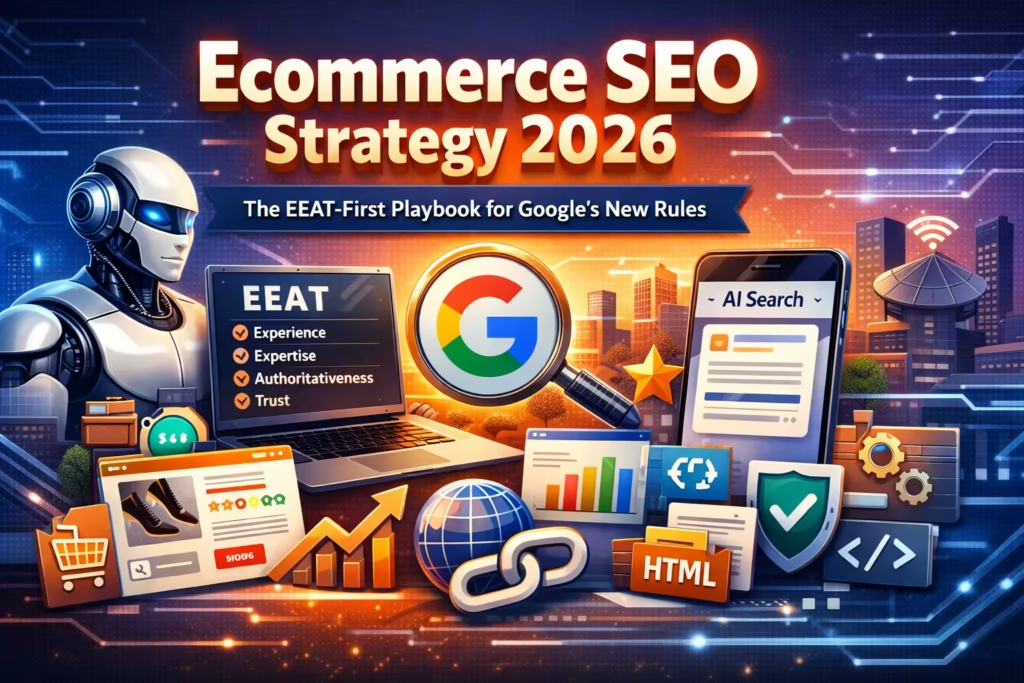
Ecommerce SEO in 2026 is no longer about keywords alone. Google’s algorithms are now deeply AI-driven, intent-focused, and trust-obsessed. To rank, convert, and scale, ecommerce brands must align with EEAT (Experience, Expertise, Authoritativeness, Trustworthiness) while adapting to new ranking systems like AI Overviews, semantic search, and entity-based indexing.
This guide delivers a future-proof ecommerce SEO strategy for 2026, written strictly under Google’s latest quality guidelines.
1. EEAT Is the Core Ranking Signal in 2026
Google now prioritizes real experience and verified trust over generic content.
How to Apply EEAT to Ecommerce
-
Experience:
-
Original product photos & videos
-
Real user reviews (with images)
-
Usage guides written by actual users or experts
-
-
Expertise:
-
Product descriptions written by subject experts
-
Buying guides authored by professionals
-
Clear author bios with credentials
-
-
Authoritativeness:
-
Brand mentions across the web
-
Editorial backlinks from niche-relevant sites
-
Citations from industry blogs & publications
-
-
Trustworthiness:
-
HTTPS, secure checkout, privacy policy
-
Clear refund & return pages
-
Verified business information (About, Contact, Address)
-
2026 Rule: Anonymous ecommerce content loses rankings.
2. AI-First Keyword & Search Intent Mapping
Keywords are now context clusters, not single phrases.
What Works in 2026
-
Search intent mapping (informational → commercial → transactional)
-
Conversational & voice-search queries
-
AI-expanded long-tail keywords
-
Question-based content (People Also Ask + AI Overviews)
Example:
Instead of targeting
❌ “running shoes men”
Target clusters like:
✅ best running shoes for long-distance training
✅ are carbon plate shoes good for beginners
✅ Nike vs Adidas running shoes comparison
3. Product Page SEO That Converts & Ranks
Product pages are now mini landing pages, not catalog entries.
2026 Product Page Checklist
-
800–1200 words of unique content
-
Expert-written product explanations
-
Comparison tables & FAQs
-
User-generated reviews + Q&A
-
Product schema (price, stock, rating)
-
AI-friendly structured formatting
Critical Update:
AI summaries pull content directly from well-structured product pages.
4. Category Page = Primary SEO Asset
In 2026, category pages outrank blogs for ecommerce keywords.
Optimization Strategy
-
Long-form category descriptions (1000+ words)
-
Internal links to top products & guides
-
Filters crawl control (no index bloat)
-
Semantic headings (H2–H4)
-
Buyer-focused content, not sales fluff
5. Content Marketing That Feeds Ecommerce SEO
Blogs still matter — but only when they support buyer journeys.
High-Impact Content Types
-
Comparison articles
-
“Best of” expert lists
-
Buying guides (updated yearly)
-
Product use-case tutorials
-
Industry trend analysis
2026 Tip: Every blog must link to a product or category page — no orphan content.
6. Technical SEO Is Non-Negotiable
AI crawlers demand speed, clarity, and clean architecture.
Must-Have Technical Elements
-
Core Web Vitals optimization
-
Mobile-first UX
-
Clean URL structure
-
Advanced schema (Product, Review, FAQ, Organization)
-
JavaScript SEO compatibility
-
Index control for filters, tags, parameters
7. Authority Building Through Digital PR & Mentions
Backlinks in 2026 are about brand trust, not quantity.
What Google Rewards
-
Editorial mentions (not paid spam links)
-
Niche-relevant authority sites
-
Brand searches & citations
-
Reviews on trusted platforms
Low-quality guest posting = ranking risk.
8. AI Overviews & Zero-Click Search Optimization
Google AI Overviews now answer many ecommerce queries directly.
How to Win Visibility
-
Clear, factual answers in content
-
FAQ sections written for AI extraction
-
Schema-rich pages
-
Brand authority signals
Ranking #1 is useless if AI doesn’t trust your content.
9. UX, CRO & SEO Are One System
Google tracks user satisfaction as a ranking signal.
Optimize for:
-
Low bounce rate
-
High dwell time
-
Clear navigation
-
Trust badges & reviews
-
Friction-free checkout
SEO without UX fails in 2026.
10. Continuous Updates & Content Freshness
Static ecommerce sites lose rankings fast.
Smart Update Strategy
-
Refresh top pages every 90 days
-
Update prices, specs, comparisons
-
Add new FAQs from real customer queries
-
Keep “Last updated” visible
Final Thoughts
Ecommerce SEO in 2026 is brand-centric, AI-aligned, and EEAT-driven.
Those who rely on shortcuts, spun content, or outdated link tactics will disappear.
Those who invest in real experience, expert content, trust signals, and technical excellence will dominate rankings — even against giants.