

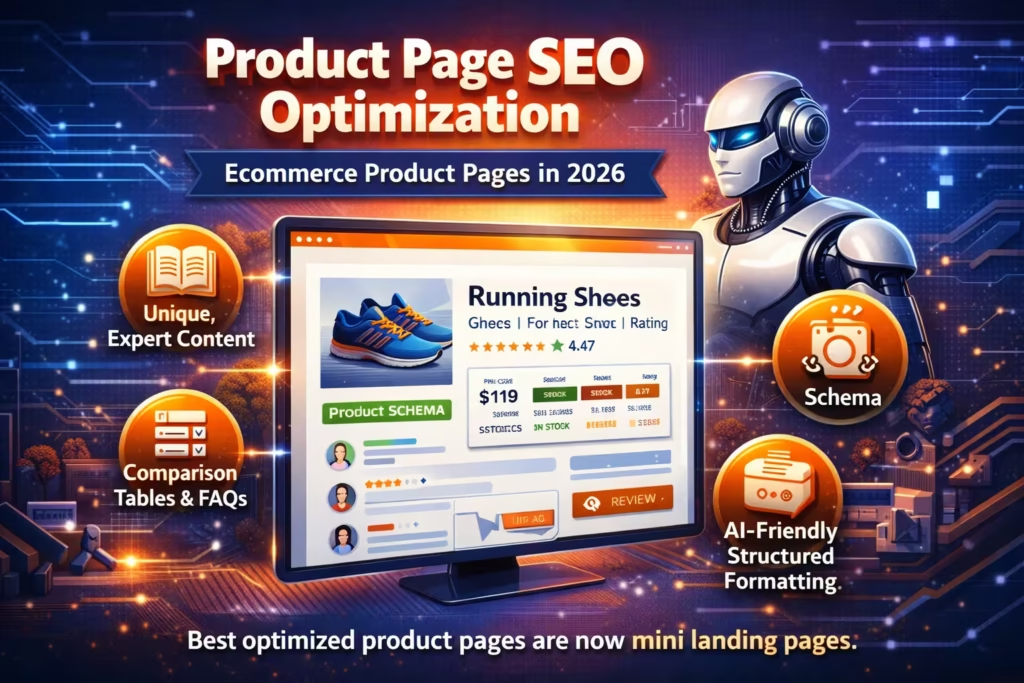
In 2026, product pages are no longer simple listings. Google now treats product pages as decision-making assets, especially in AI Overviews and zero-click search results.
If your product page lacks experience, expert signals, and trust, it will not rank — even with strong backlinks.
This guide explains exactly how to optimize product pages for SEO in 2026, following EEAT and Google’s latest rules.
1. Product Pages Are Mini Landing Pages (Not Catalog Entries)
A modern product page must answer:
-
Is this product worth buying?
-
Can this brand be trusted?
-
Is this the best option compared to others?
Thin descriptions = ranking loss.
2026 Standard
-
800–1200 words of unique, helpful content
-
Clear value proposition
-
Buyer-focused explanations (not manufacturer copy)
2. EEAT Implementation on Product Pages (Critical)
✅ Experience
-
Original product images (not stock only)
-
Real user photos & videos
-
Usage tips from real buyers
✅ Expertise
-
Expert-written descriptions
-
Buying advice inside the page
-
“Who this product is for / not for” sections
✅ Authoritativeness
-
Internal links from buying guides & blogs
-
Brand mentions & citations
-
Comparison references
✅ Trustworthiness
-
Visible reviews & ratings
-
Clear refund, warranty, delivery info
-
Secure checkout & verified business info
In 2026, anonymous product content does not rank.
3. SEO-Optimized Product Page Structure (2026)
Recommended Layout
-
H1: Product name + primary intent
-
Intro: Use case + problem solved
-
Features explained in detail
-
Benefits (real-world outcomes)
-
Comparison table
-
FAQs (buyer questions)
-
Reviews & Q&A
-
Trust badges & guarantees
AI prefers structured, scannable content.
4. Product Schema Is Mandatory (Not Optional)
Google AI pulls answers directly from schema.
Required Schema Types
-
Product (price, stock, SKU)
-
Review & AggregateRating
-
FAQ schema
-
Organization schema
Without schema → low visibility in AI Overviews.
5. User-Generated Content = Ranking Multiplier
UGC builds Experience + Trust automatically.
Include:
-
Customer reviews (with images)
-
Q&A section
-
Star ratings
-
Verified buyer tags
Pages with real UGC outperform static pages in 2026.
6. Comparison Content Wins Buyer Intent Keywords
Add:
-
“Product vs alternatives”
-
Feature comparison tables
-
Pros & cons blocks
This captures commercial + transactional intent.
7. AI-Friendly Optimization (New Rule)
Google AI extracts:
-
Short factual answers
-
Clear definitions
-
Bullet points
-
FAQs
Optimize for AI by:
-
Answering questions directly
-
Using simple language
-
Structuring content cleanly
-
Updating content regularly
8. UX, CRO & SEO Are One System Now
Google tracks:
-
Scroll depth
-
Dwell time
-
Interaction with reviews
-
Add-to-cart behavior
If users don’t engage → rankings drop.
Final Takeaway
Product Page SEO in 2026 is about trust, experience, and clarity — not keyword stuffing.
Brands that treat product pages like authority content hubs will:
-
Rank higher
-
Convert better
-
Win AI Overviews
-
Dominate buyer intent keywords